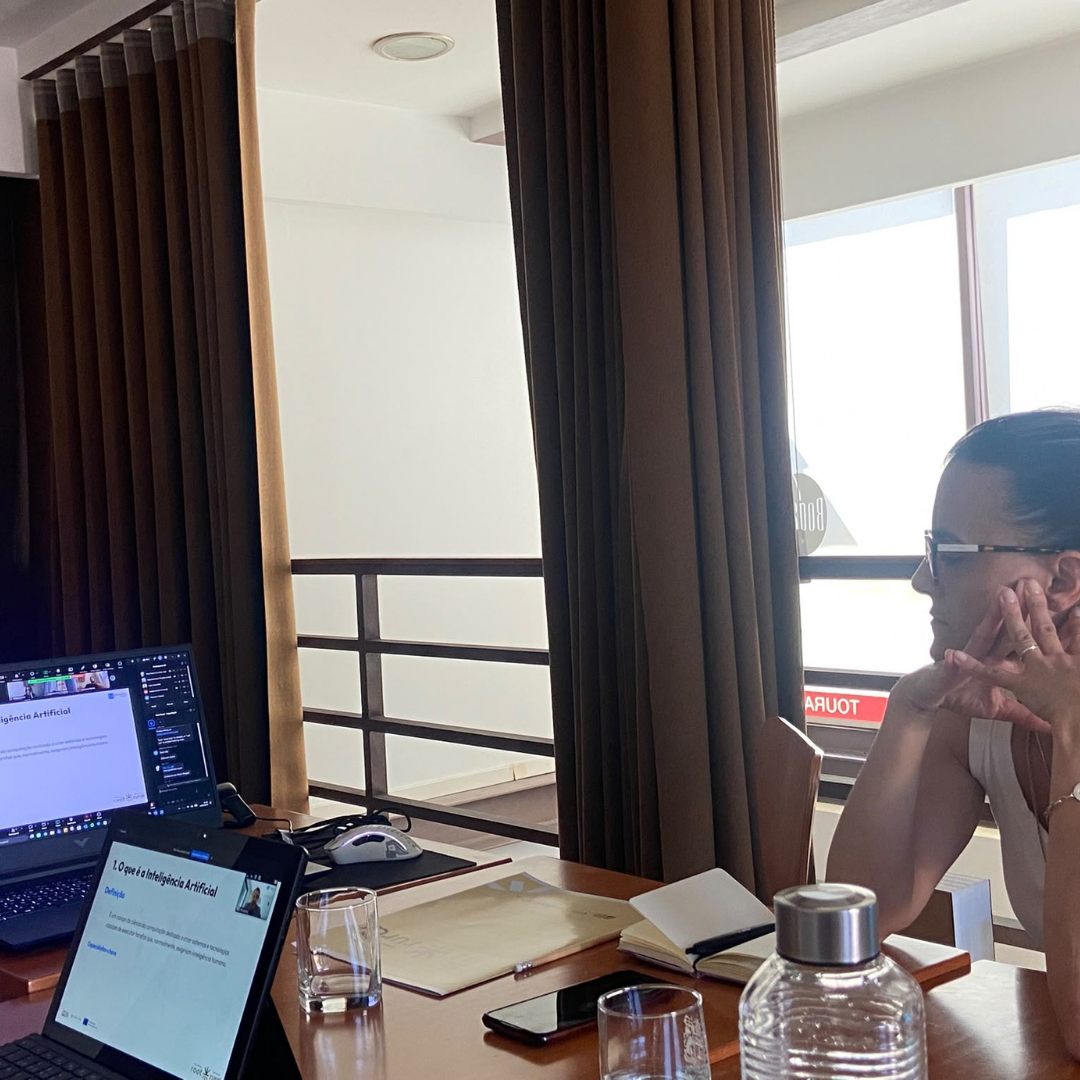


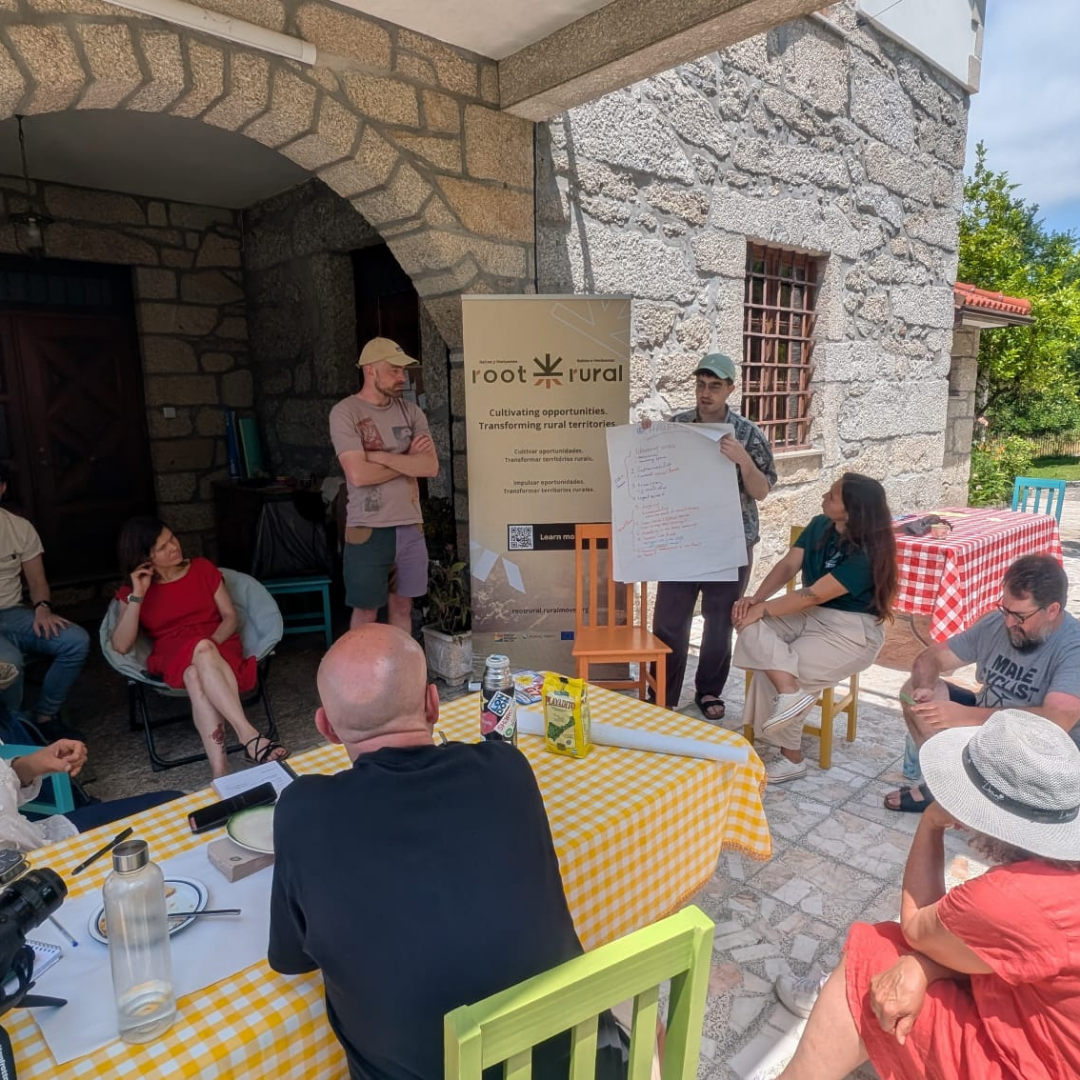
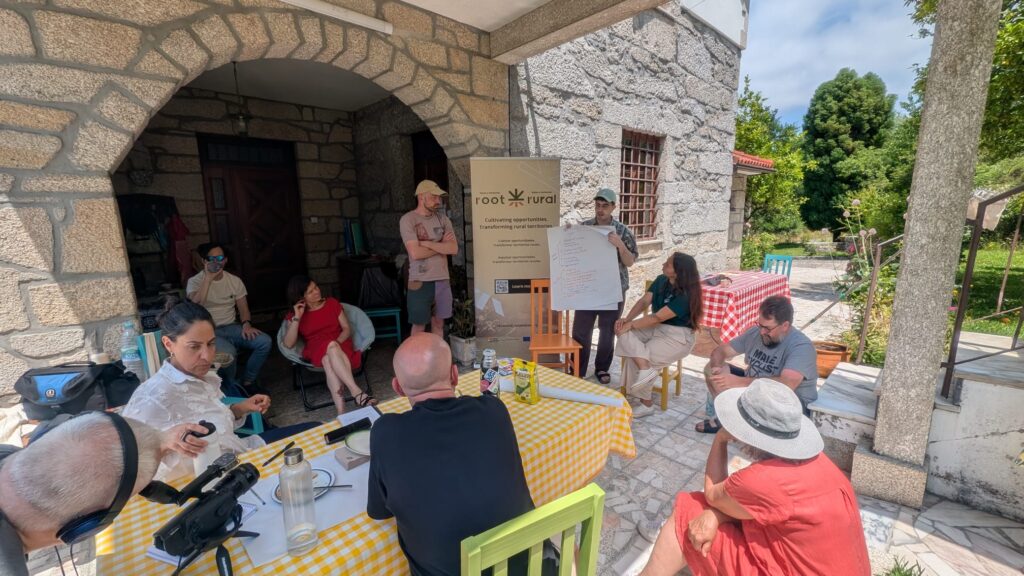
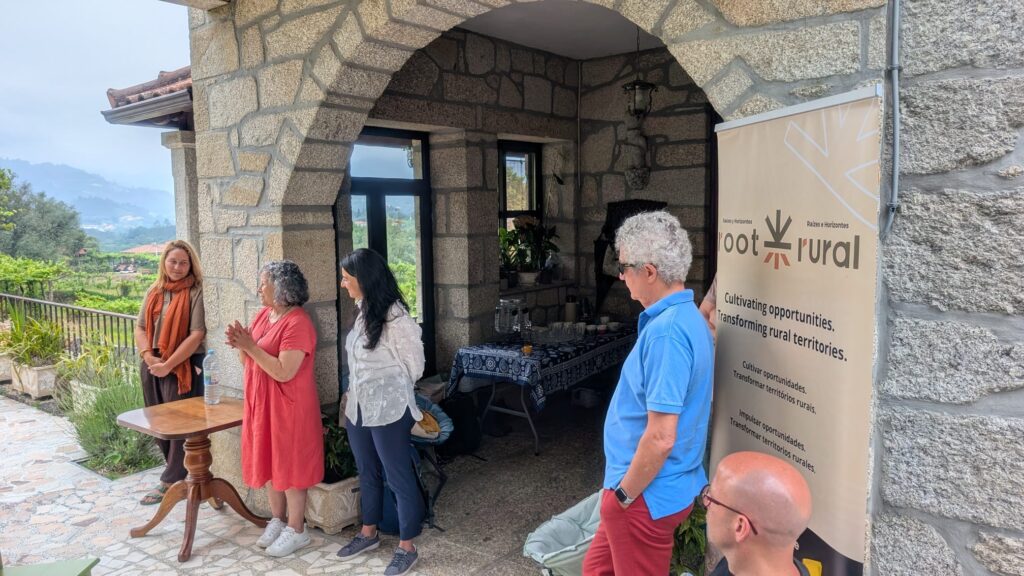
As part of its international networking activities and engagement with European projects and networks, the Root Rural project participated in the European Rural Coworking Project meeting, held at the end of May in Arcos de Valdevez, Portugal.
The European Rural Coworking Project is a European network that brings together coworking managers, researchers, rural development practitioners, entrepreneurs, and innovation experts who are working to promote new ways of living, working, and creating businesses in rural territories. The network explores the role that coworking spaces, coliving initiatives, and hybrid communities can play in revitalising rural areas, attracting new residents, retaining talent, and strengthening local innovation ecosystems.
Over several days, participants had the opportunity to exchange experiences, discover inspiring initiatives, visit local projects, and discuss some of the key challenges and opportunities facing rural communities today. Topics included population attraction and retention, entrepreneurship, remote work, community building, and the creation of more resilient, inclusive, and sustainable rural territories.
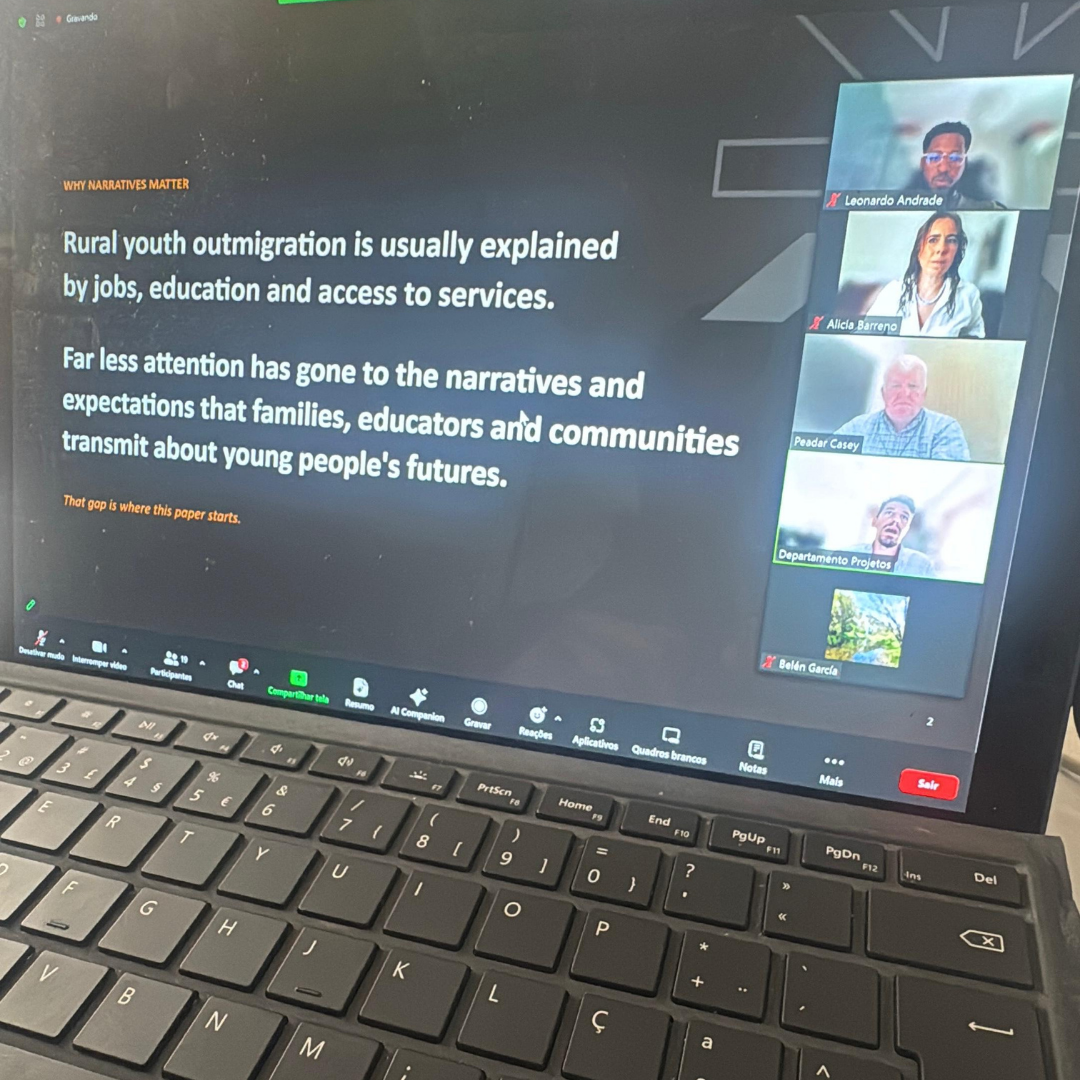
Root Rural actively contributed to the programme by facilitating a session focused on the importance of changing the mindset and narrative surrounding rural areas. The session challenged common assumptions and stereotypes about rural life and highlighted the vast potential of these territories as places of innovation, creativity, entrepreneurship, and quality of life.
Through participatory discussions and the sharing of experiences from different European contexts, participants reflected on how narratives influence people’s decisions, aspirations, and perceptions of rural living. The session emphasised the need to move beyond deficit-based narratives and instead communicate the opportunities, assets, and possibilities that rural territories already offer.
“Rural territories do not only need more opportunities. They also need a new narrative that helps people recognise the opportunities that already exist.”
The meeting also provided an important opportunity for Root Rural to strengthen its international network, establish connections with experts and organisations from across Europe, and identify potential collaborations for future initiatives.
By participating in events such as the European Rural Coworking Project, Root Rural continues to contribute to the creation of a stronger culture of opportunity in rural territories, fostering knowledge exchange between Portugal, Spain, and other European regions while promoting innovative approaches to rural development.
Root Rural remains committed to engaging with international networks and initiatives, believing that European cooperation, peer learning, and the exchange of good practices are essential for building more attractive, innovative, and future-ready rural communities.
Roots and Horizons: Cultivating a Culture of Opportunities in the Territory
Funded by: European Union through the Erasmus+ (2025-1-ES01-KA210-ADU-000353379),in collaboration with the Spanish National Agency SEPIE.
The “ROOT RURAL” project is co-funded by the European Union. The views and opinions expressed in this publication are those of the authors, Asociación Tierras Sorianas del Cid and Rural Move, and do not necessarily reflect those of the European Union or the Spanish Service for the Internationalization of Education (SEPIE). Neither the European Union nor the SEPIE National Agency can be held responsible for them.