

More than 50 people come together in Carrascosa de Arriba (Spain) to discuss what young people need to stay in or return to rural areas
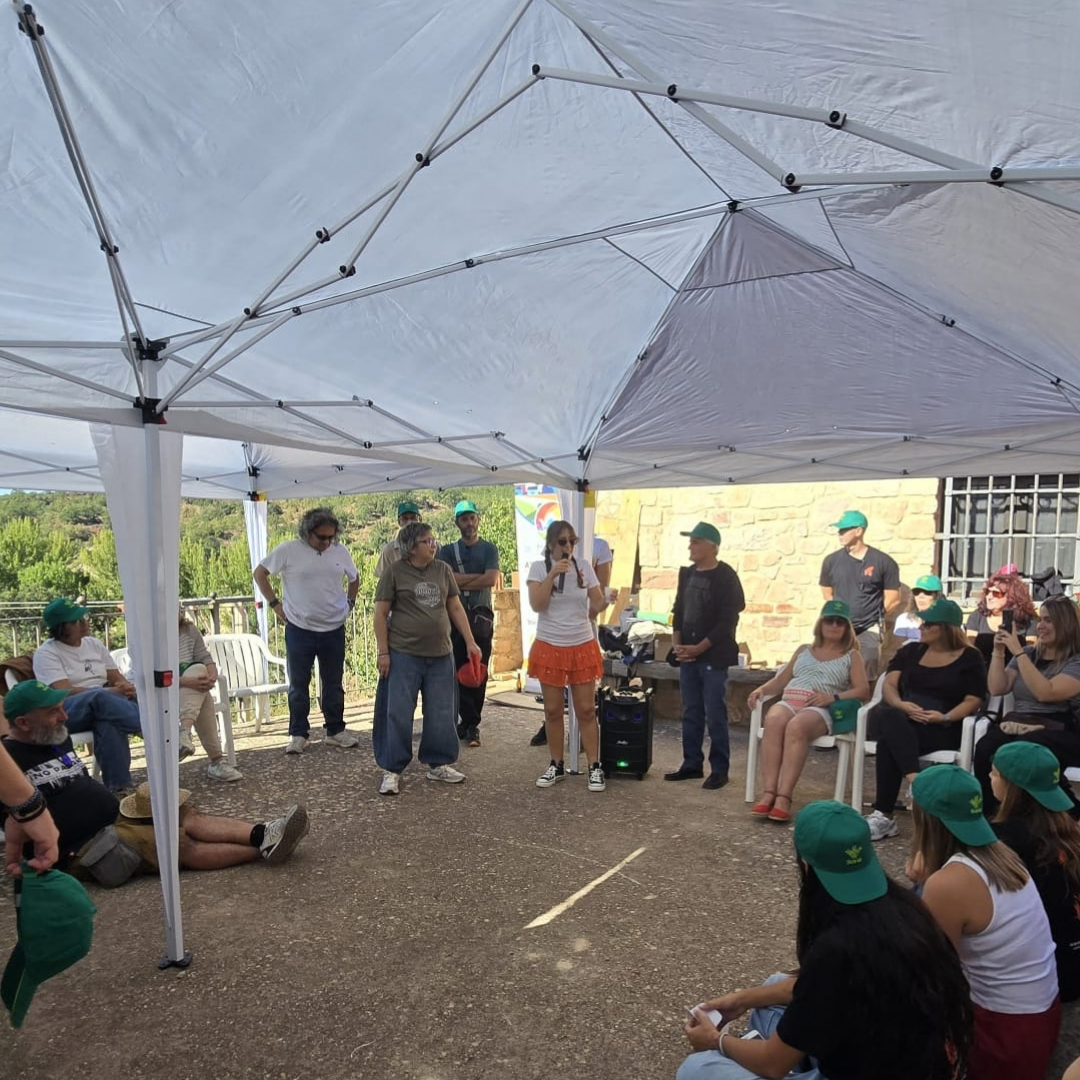
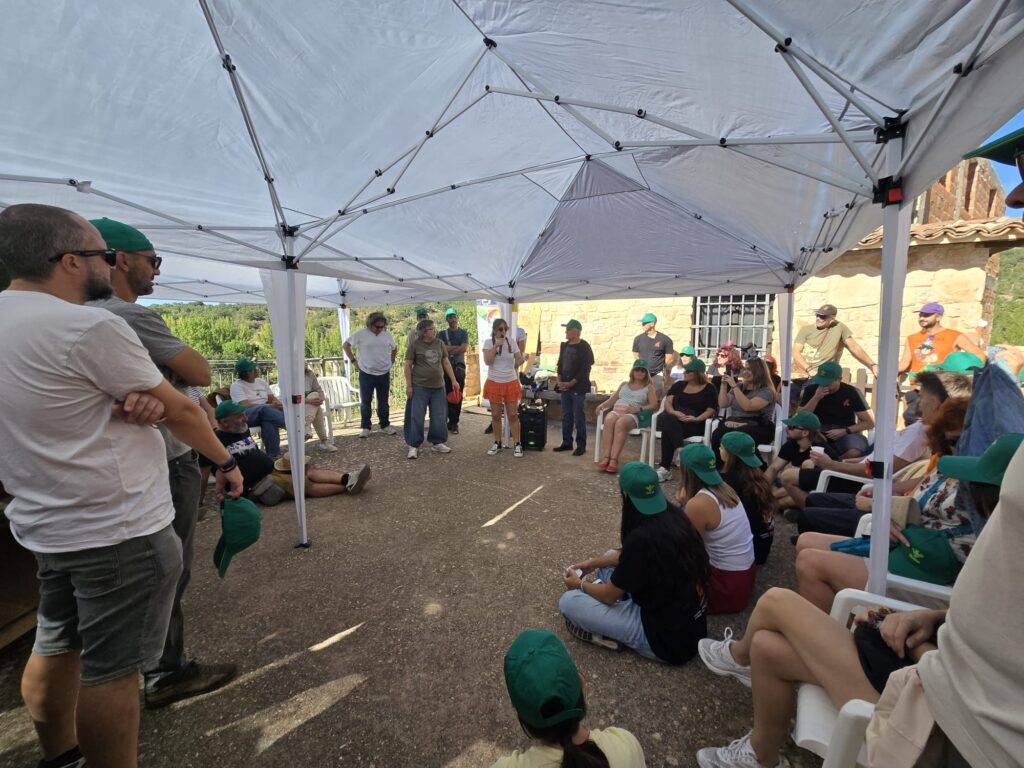
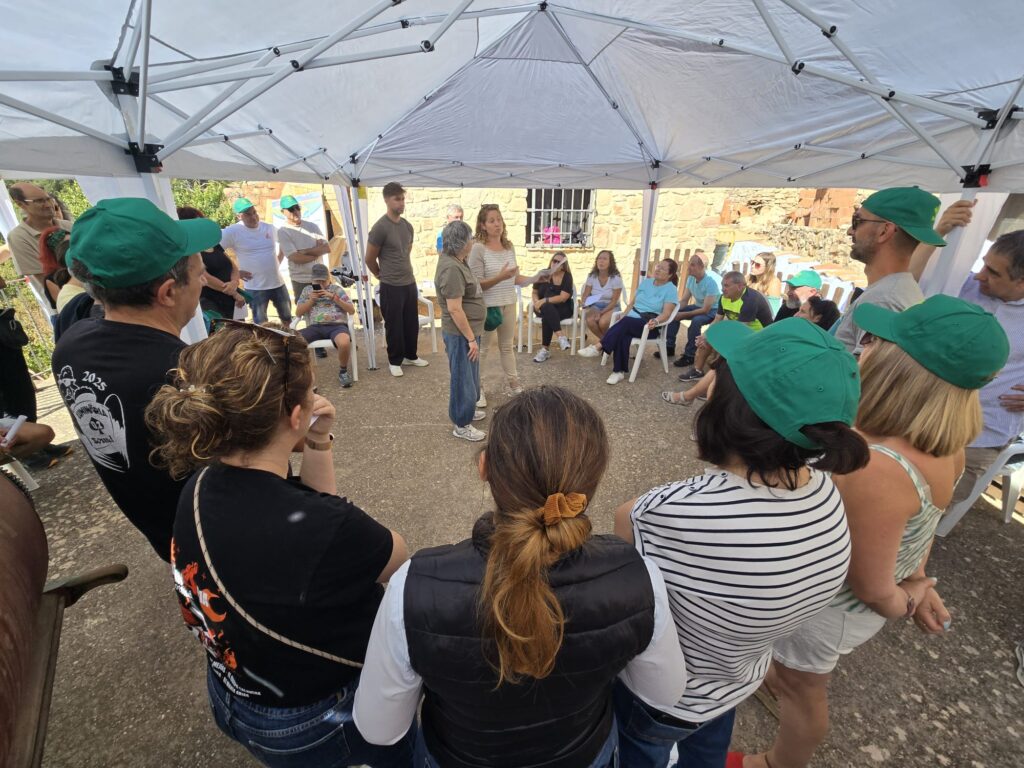
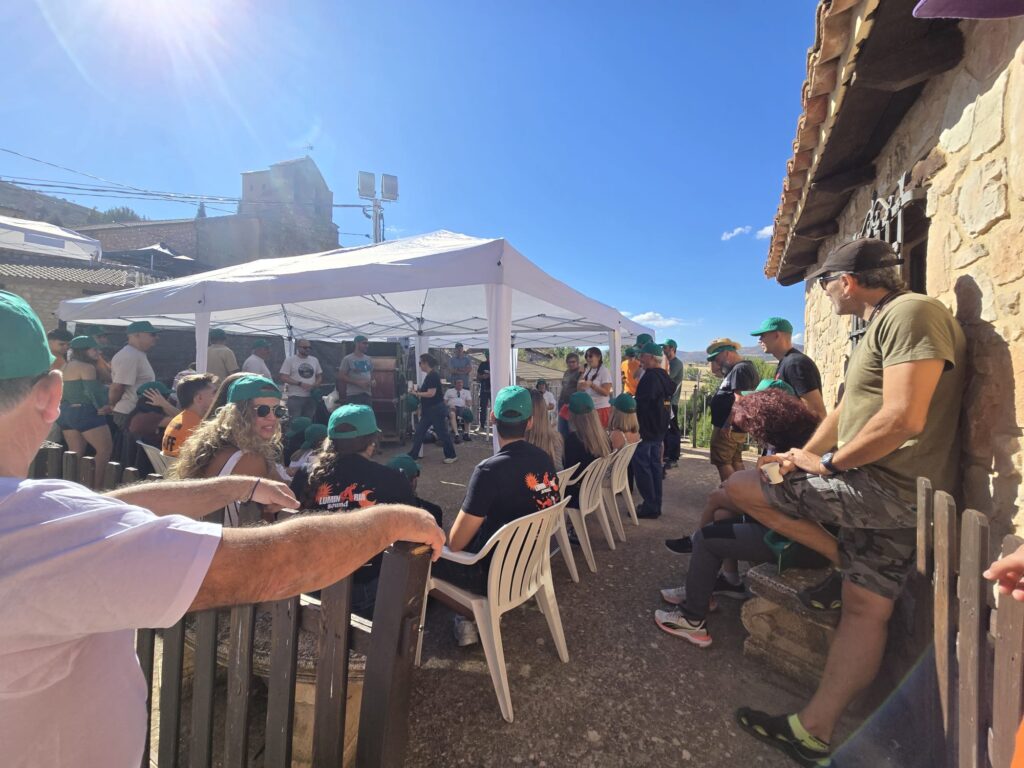
On 19 September, Carrascosa de Arriba, in Soria (Spain), hosted the fourth co-creation lab of the ROOTRURAL project, this time focused on rural youth and held as part of the Luminaria Raíces festival programme. Participation was very high throughout the morning, with peaks of more than 50 people, many of them young.
Under the question “Is there a future for young people in our villages?”, the session brought to the table some of the main challenges currently affecting young people’s ability to stay, return or build a life project in rural areas: employment, housing, public services, leisure, the image of rural areas, return and sense of belonging, youth participation and the social economy.
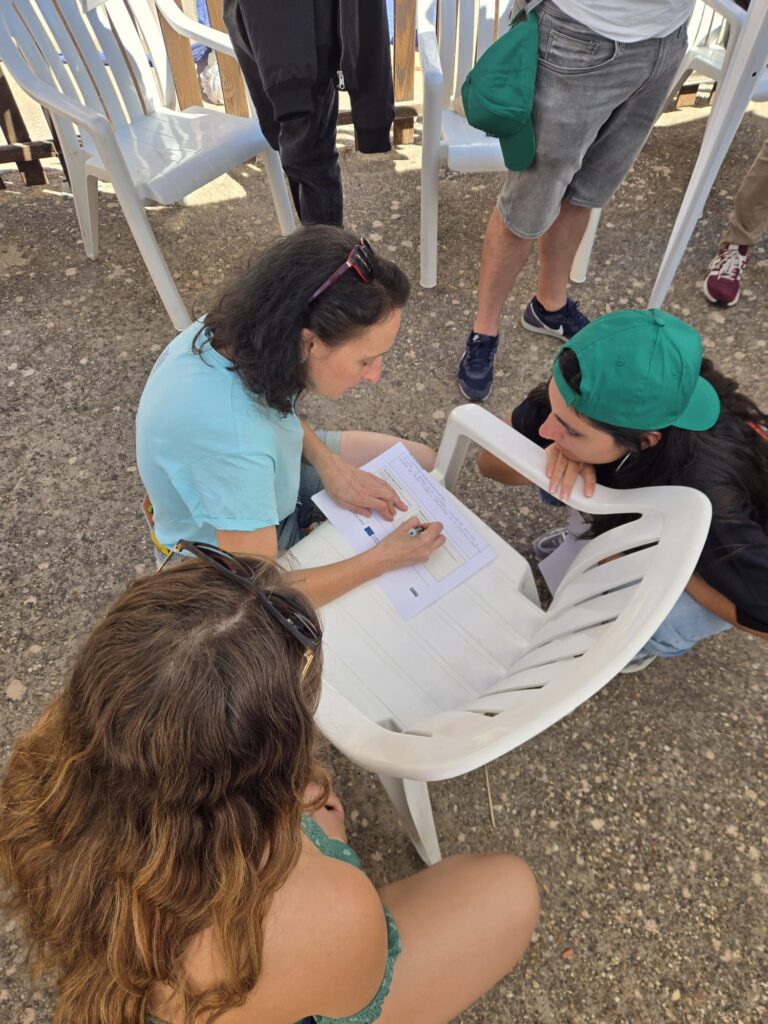
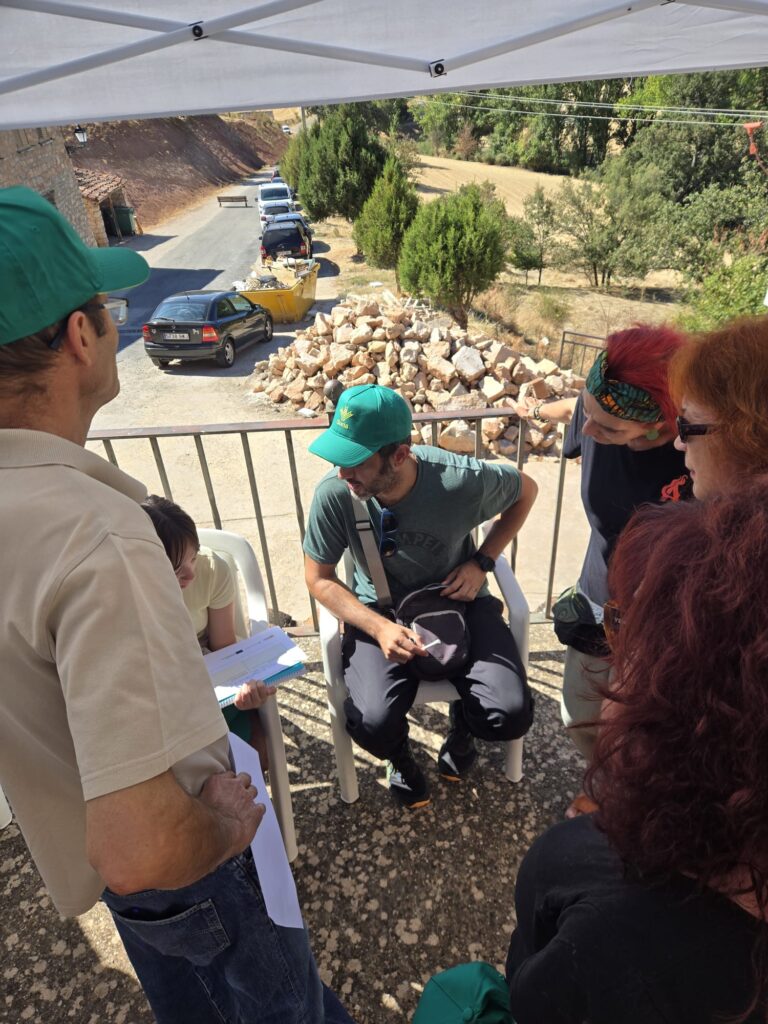
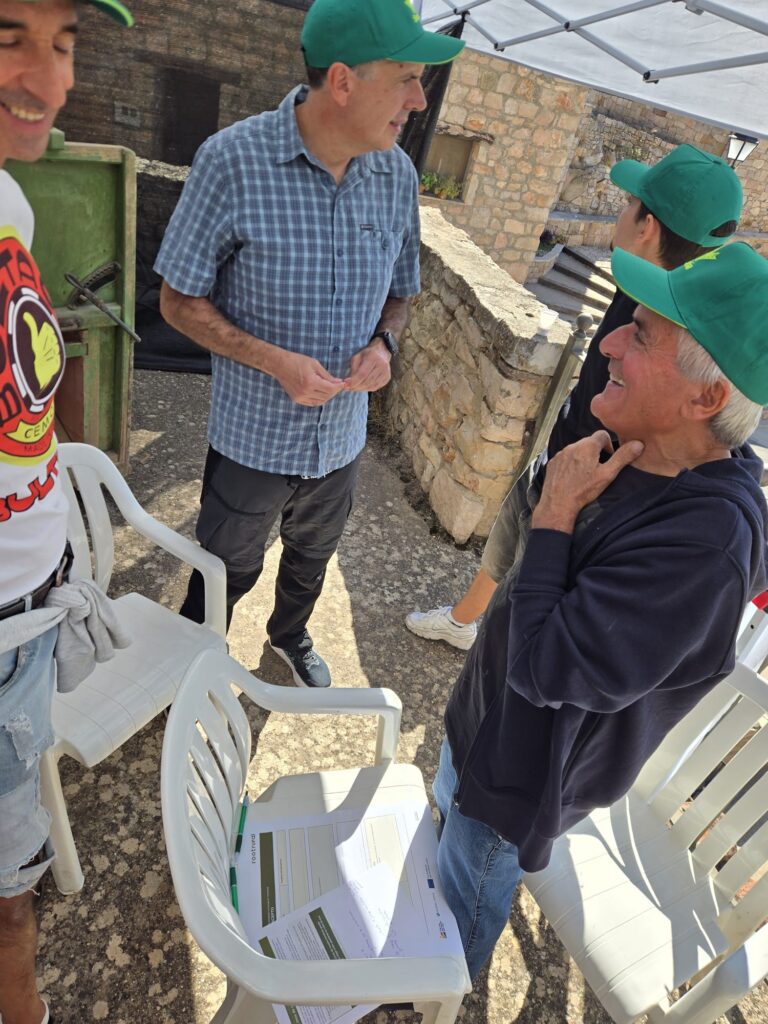
The session was organised into eight working groups, one for each challenge. Through participatory dynamics, each group analysed a specific problem and proposed a possible solution. At the end, the eight proposals were presented to all participants and put to a vote based on their relevance, feasibility and transformative potential.
The ideas included proposals linked to creating job opportunities, access to housing, improving services, encouraging the return of young people who leave to study, participation in local decision-making, and social and cooperative economy models. However, one issue came up repeatedly across several groups: the need for basic services that make it possible to build a real life project in the territory, especially in areas such as healthcare, education, local commerce and housing.
Two proposals move on to the mentoring phase
The final vote resulted in a tie between two proposals, each receiving five votes, and both will now continue to be developed within ROOTRURAL.
The first proposal comes from the challenge related to public services and focuses on recovering local healthcare services in rural villages, taking as a reference the travelling healthcare provision by doctors and nursing professionals that, according to the group, was more regular before the pandemic. The proposal also suggests exploring specific incentives to make it easier for healthcare professionals to take up and remain in rural posts.
The second proposal, “Curricular internships for young people”, aims to create a bridge between those who leave the area to study and the opportunities they may later find in their own territory. The idea is to encourage internships in rural businesses and organisations, create jobs suited to young people’s professional training, and also facilitate housing solutions for those undertaking these placements. The stakeholders identified by the group include local councils, local businesses, vocational training centres and village associations.
The two selected initiatives now move on to a mentoring phase, where work will focus on defining them in greater detail and exploring how they could be developed. Planned next steps include checking the current situation of healthcare provision in the municipalities, analysing experiences from other territories, identifying educational centres and companies interested in offering internships, and exploring housing options for young people and students.
The Carrascosa de Arriba session was the fourth ROOTRURAL lab held so far, following previous sessions focused on tourism, culture and leisure; teleworking, coworking and coliving; and rural housing. Despite taking place in an open festival setting such as Luminaria and attracting far more participants than initially expected, the eight groups succeeded in generating concrete proposals around the challenges discussed.
At Tierras Sorianas del Cid, we are continuing to move forward with one of ROOTRURAL’s main goals: listening to the territory, turning identified problems into proposals, and supporting ideas that can help create new opportunities in our villages, all with the aim of changing perceptions of the opportunities offered by rural areas.
Roots and Horizons: Cultivating a Culture of Opportunities in the Territory
Funded by: European Union through the Erasmus+ (2025-1-ES01-KA210-ADU-000353379),in collaboration with the Spanish National Agency SEPIE.
The “ROOT RURAL” project is co-funded by the European Union. The views and opinions expressed in this publication are those of the authors, Asociación Tierras Sorianas del Cid and Rural Move, and do not necessarily reflect those of the European Union or the Spanish Service for the Internationalization of Education (SEPIE). Neither the European Union nor the SEPIE National Agency can be held responsible for them.